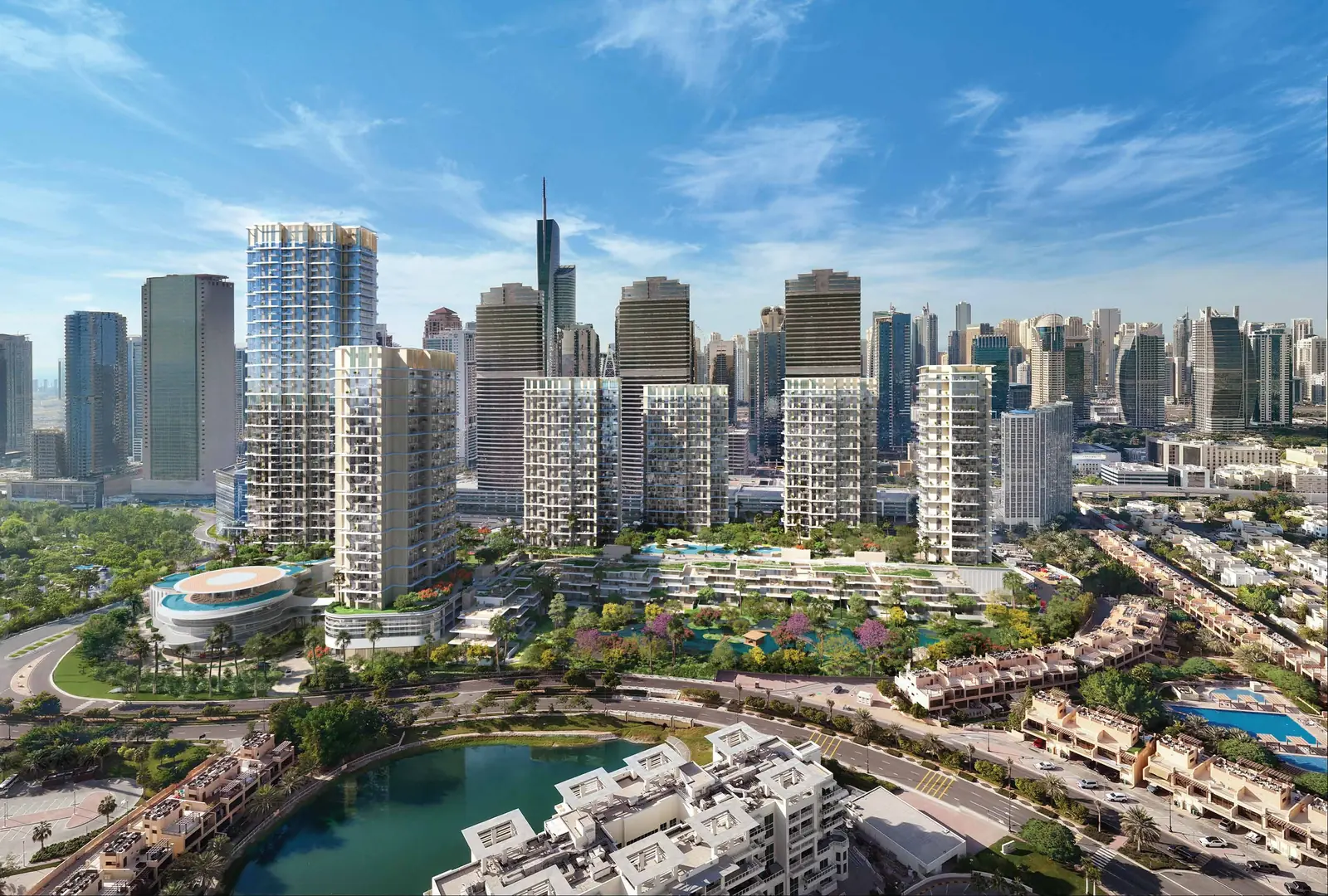
Off-plan or completed — the decision that comes before choosing a property
Buy before completion, or buy a finished apartment? These are not two variants of the same investment but two different transactions with different risk profiles.
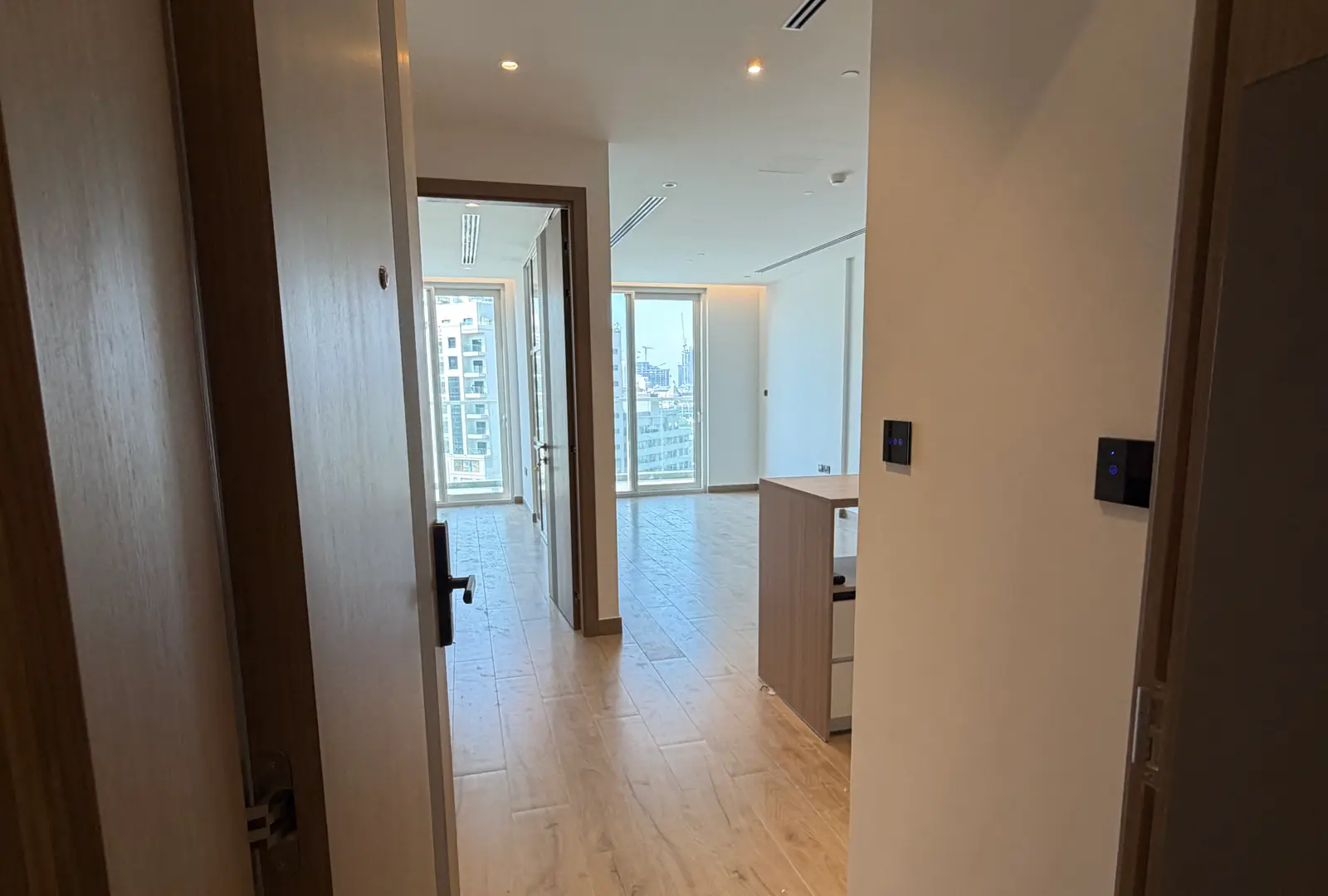
The question is usually asked too late. First a property is sought, then it emerges that it does not yet exist — and the decision about the risk profile has been taken in passing.
Better the other way around.
Off-plan: buying before completion
You acquire an apartment that is still being built and pay according to a plan spread across the construction period. Typically a portion falls due on reservation, with the remainder tied to construction progress.
In favour: The entry price sits below comparable finished properties. The initial capital outlay is lower, which leaves room for parallel investments. And you are buying an apartment nobody has lived in before you.
Against: No rent flows until handover — you pay in without anything coming back. Delays are the rule rather than the exception in the Dubai market. And you are buying from plans and renderings, not from a viewing.
On registered projects, payments run through an escrow account whose drawdowns are tied to construction progress. That limits the risk considerably — but it is no substitute for vetting the developer.
Completed: a finished apartment
You buy something that exists. You can view it, judge its condition, take a look at the neighbourhood and, ideally, take over a tenancy already in place.
In favour: Income from day one. No completion risk. Reliable comparable rents from the building itself. And you see what you are buying.
Against: The price is higher. The full amount falls due immediately. And you inherit the condition of the building along with its maintenance history.
The real question
It is not “which is better” but: when do you need the money to be working?
For someone thinking in ten-year terms who can leave capital tied up, the construction period is an acceptable price for the cheaper entry. For someone who needs running income — to cover costs, as a component of earnings, or simply because an empty period is uncomfortable — off-plan is the wrong structure, however good the project looks.
The two can be mixed. In a portfolio of several properties, a completed property can carry the construction period of an off-plan purchase. That is portfolio planning — and the reason the order matters: structure first, then property.
Keep checking
If you want to apply this to a specific plan, I am happy to assess it with you, or you can work through the twelve points before a purchase yourself.